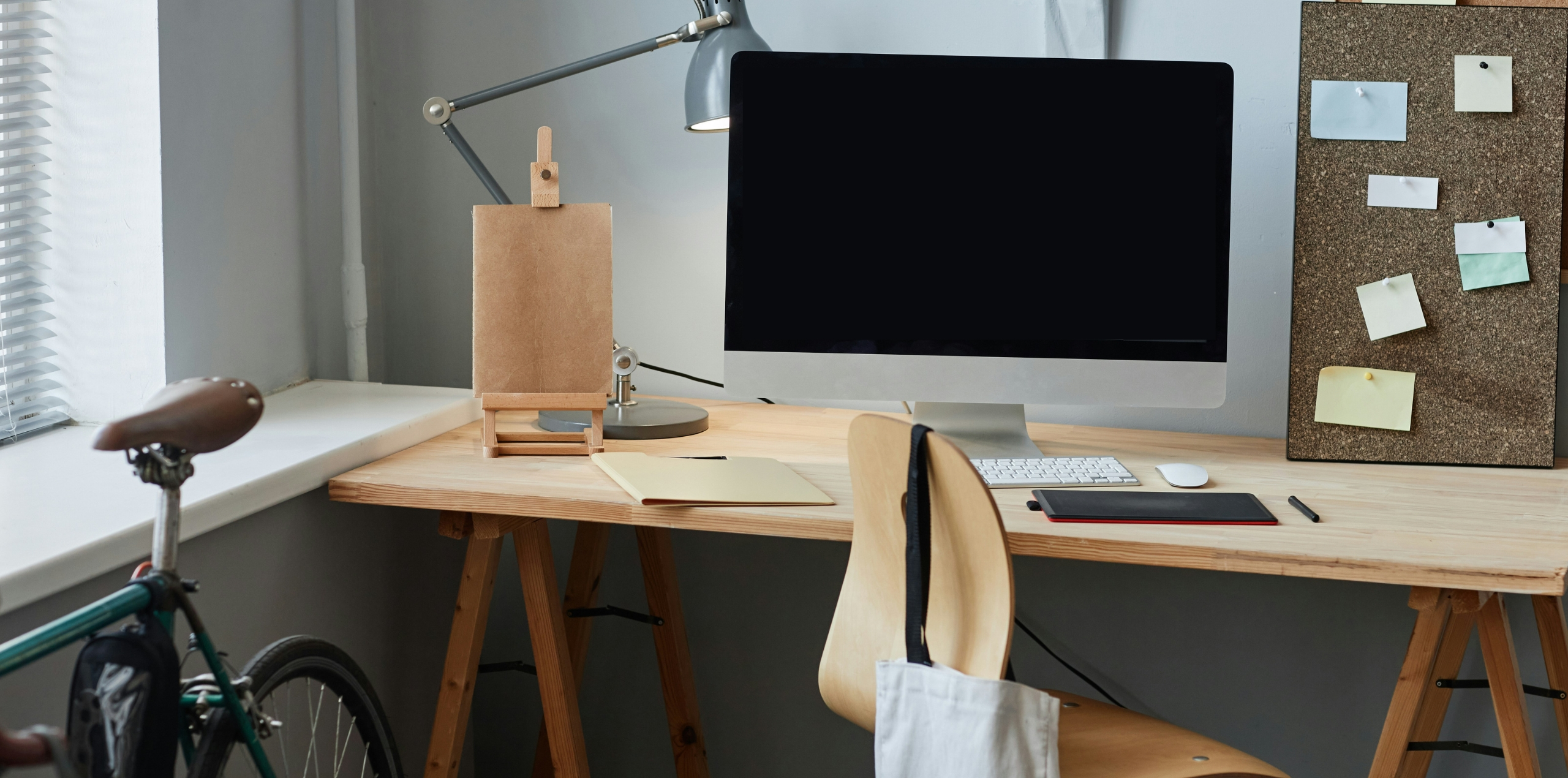
If you’ve got staff working from home, or splitting their week between home and office, you still owe them a legal duty of care.
It’s easy for homeworker health and safety to fall through the cracks, particularly when policies and procedures were originally designed for office-based staff. But employers’ health and safety responsibilities still apply when staff work from home.
Here’s what your legal duty of care covers for remote and hybrid workers, where to find the common gaps, and how to close them.
Your legal duty of care applies to home working too
Under the Health and Safety at Work etc. Act 1974, employers have a duty to protect employees’ health, safety and welfare, so far as is reasonably practicable. This includes risks arising from work carried out at home, even if you’ve never set foot in an employee’s home. The Health and Safety Executive (HSE) provides guidance on managing homeworkers’ health and safety, including risk assessments and employers’ responsibilities.
This matters more than ever. More than a quarter of working adults in Great Britain (28%) were hybrid workers between January and March 2025, reports the Office for National Statistics. Hybrid working is now an established part of working life for many UK businesses.
Your health and safety responsibilities towards remote workers include:
- Assessing work-related risks in the home working environment.
- Providing suitable equipment where necessary to enable staff to work safely.
- Managing work-related stress and other health and wellbeing risks.
- Recording significant findings from risk assessments where legally required, and keeping appropriate records of the steps you’ve taken.
If your current policy was written for an office-only workforce, it’s probably out of date.
DSE and workstation set-up: a common compliance gap
Many homeworkers use a screen daily, for an hour or more at a time. For them, the Health and Safety (Display Screen Equipment) Regulations 1992 apply at home just as they do in the office. Policies rarely reflect this.
A good home workstation check covers:
- Screen height and distance, to avoid neck and eye strain.
- Chair and desk suitability, ensuring employees can maintain a comfortable working posture.
- Lighting and glare, especially for anyone working near a window.
- Regular breaks, built into the working day rather than left to chance.
Musculoskeletal disorders affected an estimated 511,000 workers across Great Britain in 2024/25, reports the Health and Safety Executive. That makes them the second most common type of work-related ill health. A poorly designed home workstation is a preventable risk factor.
A DSE self-assessment is a useful starting point, but employers must make sure it’s suitable, act on any risks identified and review it when circumstances change. There’s no blanket legal requirement for an annual review, although regular checks are good practice.
Don’t overlook everyday hazards at home either. Trailing cables, overloaded extension leads and damaged electrical equipment can all create risks. Employers should give homeworkers practical advice on keeping their work area safe, including checking equipment for visible damage and keeping walkways clear.
Lone working: what “checking in” needs to look like
Many homeworkers are also lone workers, particularly when they work without direct supervision or immediate support. Employers need to consider the risks this creates and put appropriate arrangements in place.
You need a clear process for:
- Regular contact, so someone knows if a homeworker hasn’t checked in.
- Emergency procedures, in case of an accident or sudden illness at home.
- Appropriate first aid arrangements, based on the risks of the work and the needs of employees working from home.
- Reporting work-related accidents and incidents, including those that may need to be reported under the Reporting of Injuries, Diseases and Dangerous Occurrences Regulations 2013 (RIDDOR).
A quick daily message on a team channel isn’t a lone working policy.
💡 Want to make sure your team is fully covered on health and safety for homeworkers? Our Health and Safety for Homeworkers Certification covers risk assessment and homeworker policy in one clear course. You can try it free for 14 days.
Mental health and isolation: the hidden risk in hybrid teams
Physical workstation safety matters, but the mental health risks of working from home deserve just as much attention.
Homeworker safety needs to cover isolation, not just ergonomics. Homeworkers can go entire days without speaking to a colleague. That’s an occupational risk, not just a soft HR concern.
Work-related stress, depression or anxiety affected 964,000 workers in Great Britain in 2024/25, reports the Health and Safety Executive. It remains the leading cause of work-related ill health. Your duty to manage this risk applies to remote staff just as much as office-based staff.
Practical steps that make a real difference:
- Scheduled one-to-ones that go ahead even when the working week gets busy.
- Clear boundaries around working hours, so home doesn’t quietly turn into a round-the-clock office.
- A clear route for raising wellbeing concerns, whether that’s through a line manager, HR or another designated contact.
- Manager training, so early signs of stress get noticed before they escalate.
Keeping compliance simple across a remote and hybrid team
None of this needs to mean more admin – just the same admin, applied consistently.
A few things make dispersed-team compliance far easier to manage:
- A homeworker risk assessment, reviewed whenever someone’s set-up, role or working pattern changes.
- A written homeworker health and safety policy, applied consistently rather than left to each manager.
- A simple record of who’s completed what, so you can produce it the moment you’re asked.
- Refresher training when needed, particularly when working arrangements, risks or responsibilities change.
- Health and safety information and training as part of onboarding, so new homeworkers understand the risks and procedures before they begin working remotely.
That’s where working from home safety awareness training can help. It gives employees and managers a better understanding of the risks, their responsibilities and the steps needed to work safely. Combined with appropriate risk assessments, policies and follow-up action, it can make compliance easier to manage.
Three checks worth making
Ask yourself one question: if an employee working from home had an accident tomorrow, could you show you’d met your duty of care? If you’re not certain, that’s your starting point.
Then work through these three checks:
- Review your homeworking policy. Does it cover home and hybrid working, or was it written for the office?
- Check your DSE assessments. Make sure every homeworker who uses a screen daily has one, and that you’ve acted on what it found.
- Set a check-in routine. Agree how often homeworkers make contact and what happens if they don’t.
Start with whichever feels shakiest. Each one you tick off makes your duty of care easier to show.
Ready to train your team?
Staff Skills academy+ gives your team access to 750+ CPD-certified courses – including the Health and Safety for Homeworkers Certification. Start a free 14-day trial today, or speak to our team about what works for your organisation.
Start your free trial | Request a quote